
Published: January 25, 2026 | Category: Burst Pipe and Leaks | Reading time: 11 minutes
A slab leak is one of the most serious plumbing problems a Lawrenceville homeowner can face. These leaks occur in the water lines running beneath or through the concrete slab foundation of your home. Because they are hidden underground, slab leaks often go undetected until they cause significant damage.
Understanding Slab Leaks
Many homes in Lawrenceville and throughout Georgia are built on concrete slab foundations. During construction, water supply lines are run through or beneath this concrete before it is poured. When these pipes develop leaks, water escapes into the surrounding soil or pools beneath your foundation.
Slab leaks can occur in both hot water lines and cold water lines, though hot water lines are more susceptible due to additional stress factors. Detecting a slab leak early is critical to minimizing damage and repair costs.
Primary Causes of Slab Leaks
Pipe Corrosion
Corrosion is the most common cause of slab leaks in older Lawrenceville homes. Over time, metal pipes react with water and soil, gradually deteriorating from both the inside and outside. Galvanized steel pipes have a zinc coating that wears away, exposing steel to rust. Copper pipes, while more resistant than steel, can still corrode over decades.
Ground Shifting and Foundation Movement
The soil beneath your home is not as stable as it might appear. Georgia clay soil expands when wet and shrinks when dry, repeatedly stressing pipes. New homes settle for several years after construction, which can shift or bend pipes. Heavy equipment and excavation near your home can also disturb the soil.
Poor Installation Practices
Not all plumbing installations meet proper standards. Pipes that were poorly installed during original construction may be more prone to leaks. Kinked or dented pipes create weak points, poorly soldered or fitted connections may fail over time, and inadequate support can cause sagging and stress.
Water Chemistry Issues
The chemical composition of your water supply can accelerate pipe deterioration. High water acidity eats away at copper and other metal pipes from the inside. Hard water minerals like calcium and magnesium can corrode pipes and reduce flow. Chlorine and other treatment chemicals can also accelerate corrosion.
Suspect a Slab Leak?
Our professional leak detection services can pinpoint the exact location of a slab leak without destructive excavation.
Leak Detection ServicesWarning Signs of a Slab Leak
Recognizing the signs of a slab leak early can save you thousands in foundation repair costs. Watch for:
- Unexplained increases in water bills
- Sound of running water when no fixtures are in use
- Hot spots on floors (from hot water line leaks)
- Cracks in walls or floors
- Damp or warped flooring
- Mold or mildew odors
- Low water pressure
- Puddles in yard near foundation
Slab Leak Repair Options
When a slab leak is detected, professional repair is essential. Options include:
- Spot Repair: Breaking through concrete at the leak site to repair just the damaged section
- Pipe Rerouting: Running new pipes through walls or ceilings instead of under the slab
- Pipe Lining: Trenchless pipe lining creates a new pipe within the existing damaged pipe
- Complete Repiping: Replacing all supply lines for homes with deteriorating plumbing throughout
Frequently Asked Questions
How much does slab leak repair cost in Lawrenceville?
Costs vary based on repair method. Spot repairs may cost $1,500-$3,000, while pipe rerouting or complete repiping can range from $4,000 to $15,000 or more. Detection services typically cost $150-$400.
Will homeowners insurance cover slab leak damage?
Many policies cover water damage resulting from slab leaks, but may not cover the pipe repair itself. Coverage varies by policy. Review your policy and report suspected leaks promptly.
How do plumbers detect slab leaks without digging?
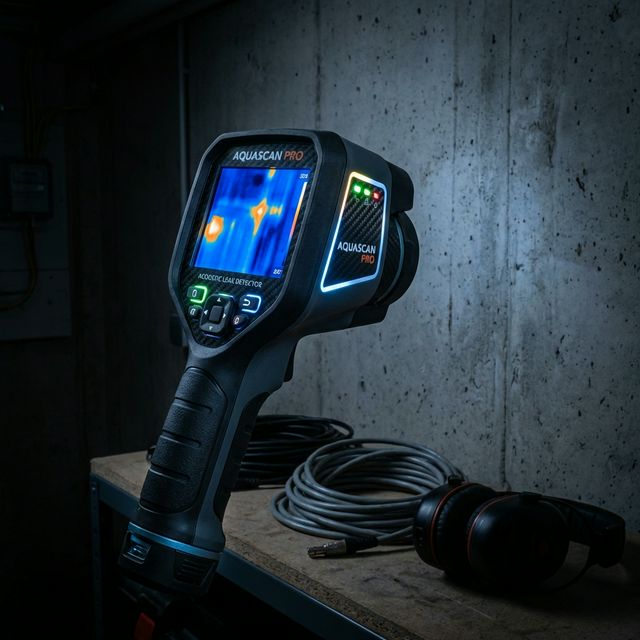
Professional leak detection uses electronic equipment including acoustic listening devices, thermal imaging cameras, and pressure testing to pinpoint leaks without exploratory excavation.
Frequently Asked Questions
What causes a slab leak?
Most commonly corrosion of copper supply lines beneath the concrete, soil movement stressing the pipe, abrasion where pipe rubs against concrete or gravel, poor original installation, and high water pressure. In Georgia the dominant factor is red clay soil swelling and shrinking seasonally.
Why do hot water lines cause slab leaks more often?
Heat accelerates both corrosion and thermal expansion, so hot lines move more with each cycle and degrade faster than cold lines running alongside them. That is why the majority of slab leaks are on the hot side, and why a warm spot on the floor is such a reliable early indicator.
Does soil type affect slab leaks?
Substantially. Georgia red clay swells when saturated and shrinks hard in dry spells, and that seasonal movement puts continuous stress on pipes running through and beneath a slab. It is the single biggest reason slab leaks are more common in Gwinnett County than in areas with stable sandy soil.
Can high water pressure cause a slab leak?
Yes. Pressure above roughly 80 psi stresses every joint and fitting in the system continuously and accelerates pinhole formation in copper. A pressure test is inexpensive, and fitting a pressure reducing valve often prevents repeat failures.
How long can a slab leak go unnoticed?
Months, commonly. The water has nowhere visible to go, so it saturates the soil beneath the foundation instead of pooling where you would see it. Usually the first sign is a water bill increase or a warm patch on the floor rather than visible water.