
Water Heater Repair in Lawrenceville, GA
No hot water, a puddle under the tank, or a pilot that will not stay lit? Call and we connect you with an independent local plumber who diagnoses and repairs gas, electric and tankless water heaters across Lawrenceville and Gwinnett County.
No Hot Water? Start With What Failed
A repair call is a diagnosis first, and a decision second
When the hot water stops, the cause is usually one small part: a heating element, a thermostat, a thermocouple, a tripped high-limit switch. Sometimes it is the tank itself, and then repair is the wrong plan. A plumber who sorts out which one you have, before touching anything, saves you from paying to fix a heater that is about to fail anyway.
We are a phone line, not a plumbing company. Call (770) 285-5619, tell us what the heater is doing, and we connect you with a local plumber who handles water heater repair in Lawrenceville and the rest of Gwinnett County. This page is about repair and diagnosis. If your unit is past saving, the water heater installation and replacement page covers what comes next.
What a Plumber Will Look At on a Repair Call
- Gas or electric, and the age on the serial plate
- Power or gas supply reaching the unit
- Thermostats, elements or the burner assembly
- Relief valve, drain valve and fittings for drips
- Water inside the drain pan or on the floor
- Venting, and any error code on newer units
Common Water Heater Problems, by Symptom
Find your symptom, then describe it when you call.
No Hot Water, Electric Tank
A tripped breaker, a high-limit reset button that popped, a burned-out element or a failed thermostat are the usual suspects. The upper element and thermostat matter most, since the upper one heats first.
No Hot Water, Gas Tank
Pilot out, a worn thermocouple or flame sensor, a bad igniter on newer units, or a gas control valve that has quit. If you smell gas at any point, leave the house and call from outside.
Not Enough Hot Water
Showers that go lukewarm partway through point to a failed lower element, a cracked dip tube or heavy sediment. A heater that was always too small is a sizing issue, not a repair.
Leaking Water Heater
A drip at the relief valve, drain valve or a pipe fitting can often be repaired. Water coming from the tank body, or a bulging base with rust streaks, means the tank has failed.
Noise, Smell and Rusty Water
Rumbling and popping come from sediment on the tank floor. A rotten egg smell from the hot side often traces to the anode rod. Rusty hot water only can mean the tank is corroding inside.
Instant Hot Water Heater Repair
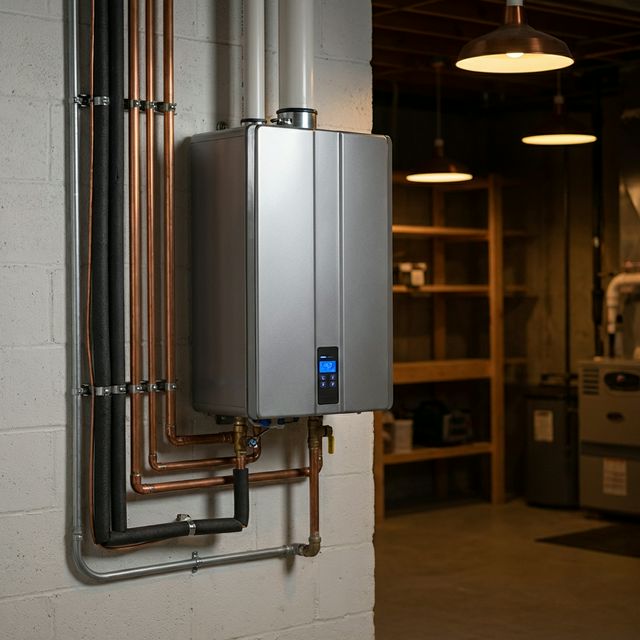
Tankless units throw error codes, lose ignition or short-cycle. The tankless water heater page covers those in detail. Small under-sink point-of-use heaters are repaired much like a mini tank.
Gas or Electric: Check This First
It changes the diagnosis, and who you call for gas problems
Look at the heater. A gas line with a shutoff valve and a metal flue going up through the roof means gas. A thick cable going into a junction box on the side or top means electric. Tell the phone line which you have, because the likely faults are completely different.
Lawrenceville is unusual: the City of Lawrenceville runs its own natural gas and electric utility, so many in-town homes get both from the same city account. If you smell gas, do not light anything, do not touch switches, get everyone outside and call 911 and your gas utility from outside the house. Then call us for the plumber once it is safe. Our gas leak repair page explains the steps.
Relighting a pilot on an older gas heater is something the label on the unit walks you through. If it lights and drops out again after you release the knob, the thermocouple or gas control valve is the problem, and no amount of re-lighting fixes it.
Five Checks Before You Call
A short look now makes the call quicker and the diagnosis more accurate
- Electric: check the breaker for the water heater at the panel. If it tripped, reset it once. If it trips again, stop and tell the plumber.
- Electric: switch the breaker off before removing any access panel. The high-limit reset button sits behind it.
- Gas: look through the small window at the burner, or at the display on newer units, and note any blinking code.
- Any heater: take a photo of the label with the model number, serial number and capacity. The serial usually shows the build date.
- If water is on the floor: close the cold water shutoff valve on top of the heater, and turn the gas control to off or the breaker off.
If water will not stop, the main shutoff for the whole house is the next step. In most Gwinnett homes there is a valve where the line enters the house and a meter box near the street. The how to shut off water in an emergency guide shows where to look.
Garage, Attic and Closet Heaters in Gwinnett Homes
Where the heater sits changes what a leak does
In many 1990s and 2000s subdivisions around Lawrenceville, the water heater lives in the garage, in a utility closet, or in the attic. Garage and closet units tend to show a leak as a puddle you can see. An attic heater is different. A slow leak can soak drywall for days before a ceiling stain appears, so a stain below an attic heater deserves a quick look.
Heaters in attics usually sit in a drain pan with a pipe running to the outside. If that pan is wet, the heater or a fitting is leaking. Tell the phone line about attic access (pull-down stairs, narrow walkway, a ladder in the garage). It affects how the plumber plans the visit. For the full leak walkthrough, read what to do when a water heater is leaking.
What About Hard Water?
In Gwinnett it is rarely the main suspect
Gwinnett County Department of Water Resources reports total hardness in its water quality report at roughly 1 to 2 grains per gallon, which is soft by usual standards. So heavy scale is not the first thing a plumber should reach for here. Age, a failed element or thermocouple, and a worn anode rod are more common causes of a heater that stopped working.
Sediment still collects in any tank over the years, so a heater that rumbles around year eight is not unusual. A drain-and-flush is routine upkeep. It does not rescue a tank that is already leaking.
Repair or Replace?
The honest way to decide
Repair usually makes sense for a heater under about eight years old with a single failed part. Past ten to twelve years, or with any leak from the tank body, put the money toward a new unit. The age is on the serial plate: the letter and numbers encode the month and year it was built.
What drives repair cost: the part itself, whether the heater is in a tight attic or an open garage, whether a gas control valve is involved, and the age of the unit. Ask the plumber for the price before any work starts, and ask what the price is for the repair versus a replacement so you can compare. If replacement wins, the water heater installation page explains sizing, gas and electric choices and permits.
How the Call Works
Phone line first, then an independent local plumber
Tell Us What It Is Doing
Gas or electric, the symptom, and where the heater sits. Photos of the label help the plumber know what parts to think about.
We Connect You With a Plumber
We route your call to an independent local plumber who handles water heater repair. The phone line is answered around the clock.
Ask for the Price Before Work Starts
The plumber sets the price, not us. Ask for it before any work begins, and ask for a repair price and a replacement price side by side.
Decide Repair or Replace
A good diagnosis ends with a straight answer. If the tank is leaking, expect to hear replacement.
Frequently Asked Questions
Answers to common questions about water heater repair in Lawrenceville, GA.
The failed part, the age of the heater, whether it is gas or electric, and where it is installed all affect the cost. A heater in a tight attic takes longer to work on than one in an open garage. Ask the plumber for the price before any work starts.
On an electric heater, the usual causes are a tripped breaker, a high-limit switch that needs reset, a burned-out heating element or a failed thermostat. On a gas heater, look for a pilot that has gone out, a worn thermocouple or flame sensor, or a gas control valve problem. Tell the phone line which type you have.
It depends on where the water comes from. A leak at the relief valve, drain valve or a pipe fitting can usually be repaired. Water leaking from the tank body means the tank has corroded through, and the unit needs replacing.
If the unit is under about eight years old with one failed part, repair is usually the better choice. If it is over ten to twelve years old, is leaking from the tank, or needs a major part, replacement is often the smarter spend. Ask for both prices before deciding.
Yes. Call and we connect you with a plumber who handles tankless and point-of-use units. Have the brand, model and any error code ready. Error codes narrow down faults like ignition failure, flow sensor trouble or a blocked vent.
Call (770) 285-5619. The phone line is answered 24 hours a day, and we connect you with an independent local plumber. If the heater is leaking, shut off the cold supply valve and the power or gas first.
Tank water heaters generally last 10 to 15 years, and tankless units can run 20 years or more with routine maintenance. Gas and electric tanks wear out differently, and a leaking tank body is the end of the line in either case.
Related Plumbing Services
More plumbing help for Lawrenceville homeowners.
Water Heater Repair in Lawrenceville & Gwinnett County
Local conditions and the areas the phone line covers.
Gas and Electric from the City
The City of Lawrenceville runs its own natural gas and electric utility, so in-town homes often get both from the same account. Homes elsewhere in Gwinnett have other providers. Know which you have before you call.
Soft Water, Different Suspects
Gwinnett County water is on the soft side by its own reports. Scale is a smaller worry here than a worn thermocouple, a failed element or simply an old tank.
Heaters in Garages and Attics
Many homes built in the 1990s and 2000s put the heater in the garage or attic. An attic leak can do damage before it shows. A drain pan with a wet floor is the warning sign.
Lawrenceville and Nearby Cities
The phone line covers Lawrenceville, GA 30046 plus Snellville, Suwanee, Duluth, Dacula and Grayson. Independent plumbers set their own schedules, so ask when you call.
No Hot Water? Call and Get Connected
Tell us what the heater is doing and we will connect you with a local plumber. The phone line is answered 24/7.