
Water Heater Installation and Replacement in Lawrenceville, GA
Replacing a water heater is more than swapping a tank. Call and we connect you with an independent local plumber who handles gas, electric and tank water heater installation in Lawrenceville and across Gwinnett County.
Hot Water Heater Replacement, Done Once
Sizing, fuel, location and permit questions to settle before the old unit comes out
Most tank water heaters in Lawrenceville homes last 10 to 15 years. When yours reaches the end, replacing it properly matters more than replacing it in a hurry. An undersized tank means cold showers every morning. An oversized one heats water nobody uses. The connections, venting and relief piping matter as much as the tank.
We are a phone line that connects you with an independent local plumber. This page covers replacement and new installs. If your heater still works but acts up, start with water heater repair instead, since a failed thermostat or element is a smaller problem than a failed tank.
Signs It Is Time to Replace Rather Than Repair
- The unit is over 10 to 12 years old
- Water is leaking from the tank body, not a fitting
- Rusty or metallic hot water, tap after tap
- Rumbling or popping from heavy sediment
- You run out of hot water more often each year
- A repair price starts to approach the cost of a new unit
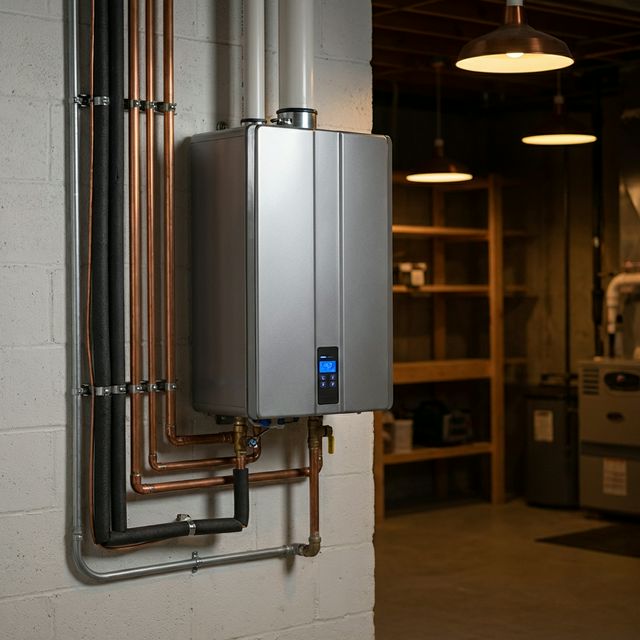
What a Water Heater Installation Covers
A complete replacement, not just a tank swap.
Gas Water Heater Installation
Natural gas units need the right gas connection, a sediment trap, a shutoff valve and a flue that draws properly. Homes on city gas in Lawrenceville and homes on propane need different attention at the connection.
Electric Water Heater Installation
Electric tanks run on a dedicated 240 volt circuit. A plumber checks that the breaker and wire size match the label on the new unit before it is energized.
Garage and Closet Installs
Garage heaters are often set up off the floor or on a platform so the burner is not at ground level. Closet units need combustion air and clearances checked.
Attic Installs
A full 50 gallon tank weighs well over 400 pounds. Attic units need a drain pan with a drain line, solid framing under them and a clear path to carry the old tank out.
Expansion Tank and Relief Piping
A thermal expansion tank, a new shutoff and relief valve piping that runs safely to a drain are standard parts of a proper replacement.
Removal of the Old Unit
Draining, disconnecting and hauling out the old heater is part of the job. Ask the plumber whether disposal is included when you get the price.
Gas or Electric: Keep It or Switch
The fuel you have decides how big the job is
The City of Lawrenceville runs its own natural gas and electric utility, and many in-town homes have both. If your home already has a gas line to the heater, a like-for-like gas replacement is the simpler job. Moving from electric to gas, or the other way, is a bigger project: a new gas line and flue in one direction, a new 240 volt circuit in the other.
Ask the plumber what a fuel switch involves before you decide. If gas is available at your address, it can be worth pricing both options side by side. If you are not sure whether you are on city gas, the line from the meter and your utility bill will tell you.
Sizing the Replacement
Peak demand matters more than head count
As a rough guide, a 40 gallon tank suits one to three people, 50 gallons suits three to four, and bigger households or homes with a soaking tub often need 75 gallons or a tankless unit. What sets the right size is how many showers run at once, whether there is a big tub, and whether a dishwasher or laundry runs during the morning rush.
If your last heater always seemed too small, say so. That is the moment to size up. If you only used a fraction of the old tank, a smaller one will cost less to run. For on-demand options, see tankless water heaters in Lawrenceville.
Garage, Attic and Closet Replacement in Gwinnett Homes
Where the old one sits shapes the job
Many homes built in the 1990s and 2000s in Gwinnett County have the water heater in the garage, a utility closet or the attic. Each is a different replacement. A garage swap is usually the easiest to reach. A closet needs combustion air and clearance checked on gas units. An attic needs the new tank carried up through a pull-down stair or hatch, a drain pan with a drain line and a plan for leaks, since there is drywall directly below.
When you call, tell the phone line where the heater sits and whether the attic access is a hatch, a stair or a ladder. It helps the plumber arrive with the right fittings and the right plan for carrying the old tank out.
Permits and Inspections
Ask before the work starts
Ask the plumber whether your replacement needs a permit and who pulls it. Rules can differ depending on whether your address is inside the City of Lawrenceville or in unincorporated Gwinnett County, so the plumber should know which office applies to your street. A heater installed without the required permit can come up later when you sell the home.
A permitted install usually means an inspector looks at the venting, the relief valve piping and the gas or electrical connections. That second set of eyes is useful for you.
Questions Worth Asking the Plumber
Before you say yes
- What is the full price, covering the unit, parts, permit if needed and removal of the old one?
- Is the expansion tank and a new shutoff valve included?
- Who pulls the permit, and does the price include it?
- What brand and model are you installing, and how large is it?
- If it is gas, what happens to the venting and the gas connection?
- Where does the relief valve pipe discharge?
Ask for the price before any work starts. The plumber sets the price, not this phone line.
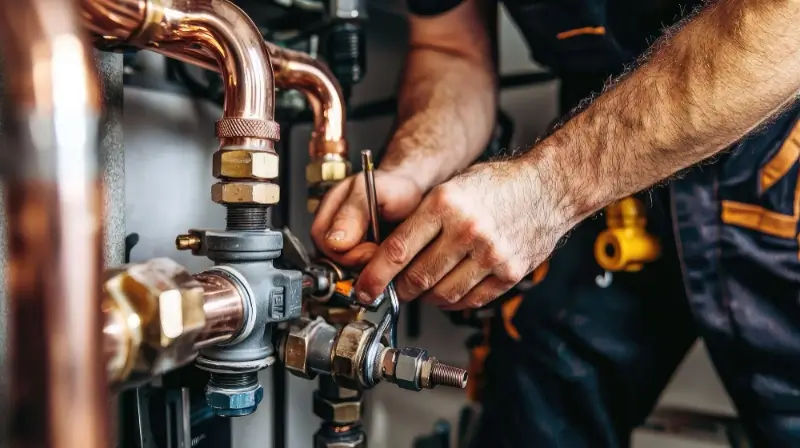
How the Call Works
A phone line first, then an independent local plumber
Tell Us About the Heater
Gas or electric, capacity if you know it, where it sits, and what happened to the old one. A photo of the label helps.
We Connect You With a Plumber
We route you to an independent local plumber who handles water heater replacement. The phone line is answered around the clock.
Get the Price in Advance
Ask for the price before work starts, and what it covers. The plumber sets it, so ask about the permit and removal as well.
Agree on the Unit and the Plan
Fuel, size and location settled before the old tank is drained. Ask what brand and model is going in.
Frequently Asked Questions
Common questions about water heater installation and replacement in Lawrenceville, GA.
Tank size, fuel type, the brand of the unit, how much the existing gas, electrical and venting need to be brought up to current standards, and where the heater sits. An attic install usually takes more labor than a garage one. Ask the plumber for the price before any work starts.
As a rough guide, 40 gallons suits one to three people, 50 gallons suits three to four, and larger households or homes with a soaking tub often need 75 gallons or a tankless unit. Peak use matters more than head count, so think about how many showers run at once.
A straightforward like-for-like tank swap is usually a part-of-the-day job. Converting from tank to tankless, switching fuel types, relocating the unit or correcting venting takes longer. Ask the plumber what to expect for your setup.
Ask the plumber at the time you call. Permit rules can depend on whether your address is inside the City of Lawrenceville or in unincorporated Gwinnett County, and the plumber should know which applies. A missing permit can come up when you sell the home.
Yes, but it is a bigger project than a like-for-like swap. Going to gas needs a gas line and a flue. Going to electric needs a dedicated 240 volt circuit and breaker. Ask for the price of both options before deciding.
If the unit is under about eight years old and the fault is a thermostat, heating element or thermocouple, repair is usually the better choice. If it is past ten to twelve years, leaking from the tank body, or the repair price approaches the cost of a new unit, replacement makes sense. Compare both prices.
It should be. Draining, disconnecting and hauling out the old unit is a normal part of a replacement. Ask the plumber to confirm that removal is included when you get the price.
Related Plumbing Services
More plumbing help for Lawrenceville homeowners.
Water Heater Replacement in Lawrenceville & Gwinnett County
Local conditions and the areas the phone line covers.
City Gas and City Electric
The City of Lawrenceville runs its own natural gas and electric utility. For in-town homes that often means a gas line is already at the house, which makes a gas replacement simpler.
Soft Local Water
Gwinnett County Department of Water Resources reports total hardness at roughly 1 to 2 grains per gallon. Scale is not a big factor in tank life here. Age and anode rod condition matter more.
Garages and Attics in 1990s and 2000s Subdivisions
Many Gwinnett homes from those decades place the heater in the garage or attic. A permit, a drain pan and a safe path for the old tank are the details to ask about.
Lawrenceville and Nearby Cities
The phone line covers Lawrenceville, GA 30046 plus Snellville, Suwanee, Duluth, Dacula and Grayson. See the water heater installation in Snellville article for a neighboring look.
Ready to Replace Your Water Heater?
Call and we connect you with a local plumber. Tell us the fuel, the size and where the heater sits.